
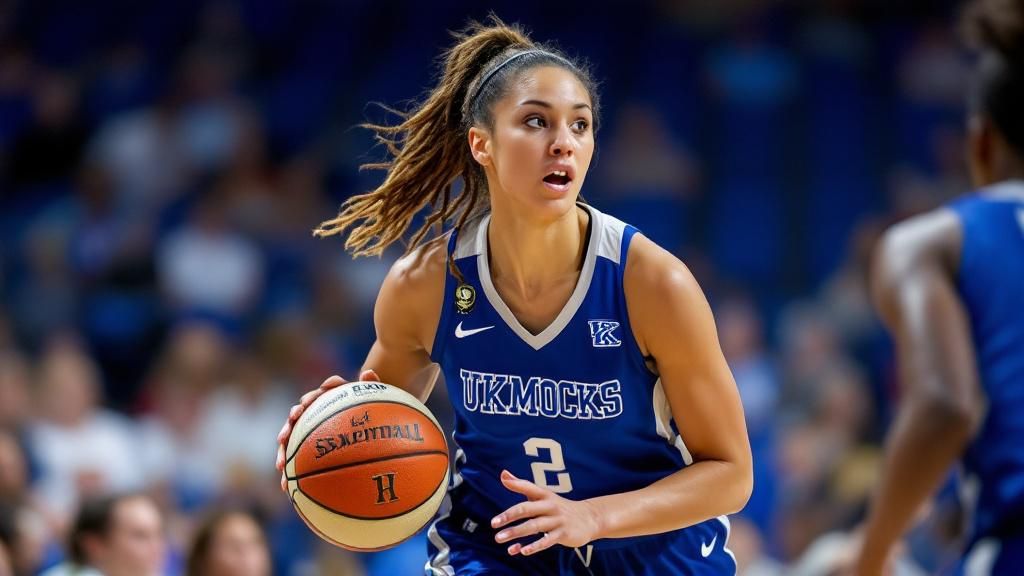
Women’s basketball has seen an remarkable rise in popularity across UK schools, with participation figures attaining all-time highs. This remarkable growth reflects a important transformation in views of female sport and enhanced support in grassroots programmes. From junior institutions to higher school levels, girls are adopting the sport in historic proportions, breaking down traditional barriers and motivating a new generation of athletes. This article explores the factors driving this competitive shift, highlights the schools leading the charge, and assesses what this progress means for the future of women’s sport in Britain.
Growing Engagement Trends
The increase in women’s basketball participation across UK schools has been nothing short of extraordinary. Over the past three years, enrollment figures have climbed steadily, with the latest figures indicating a 40% rise in women participants at secondary school level. This growth extends beyond established centres, reaching schools in countryside locations and less affluent regions that previously had restricted basketball access. The surge reflects real interest amongst teenage girls and demonstrates that when access is granted, girls readily take up the sport with dedication and drive.
Multiple factors have played a role in this striking rise. Enhanced financial support from Sport England and the UK Basketball Association has enabled schools to establish or expand their initiatives in a significant way. Additionally, the prominence of women’s professional basketball, especially via the British Basketball League’s development and media attention, has encouraged younger athletes to take up the sport. Leading examples such as accomplished British players competing internationally have proven invaluable in illustrating that basketball presents real career prospects and inspiring prospects for accomplished young female athletes.
School management has been crucial in enabling this growth. Many headteachers and governors have championed basketball development, acknowledging its value in promoting physical wellbeing and building confidence amongst their female students. Funding for courts, coach training, and organised competitions has established sustainable pathways for involvement. Additionally, integration of basketball into physical education programmes has exposed the sport to young women who would not have discovered it otherwise, broadening the talent pool significantly.
Regional disparities in expansion trends highlight interesting insights about programme effectiveness. Areas with committed basketball coaching personnel have recorded notably substantial increases, whilst regions establishing comprehensive coaching education schemes have seen improved retention rates. The creation of inter-school competitions and county-level tournaments has fostered a competitive environment that drives continued participation. These organisational developments illustrate how strategic planning and resource allocation directly translate into measurable participation gains.
Looking at demographic trends, involvement has grown steadily inclusive across all age ranges and ability levels. Elementary school girls are now engaging with basketball through school sports partnerships, establishing a solid base for progression into secondary school. Furthermore, the rise of inclusive squads accommodating athletes with disabilities has increased possibilities further. This expansion of participation ensures that basketball advancement is not confined to top-level athletes but encompasses all girls interested in the sport regardless of their background or starting point.
Support and Infrastructure Development
Institutional Investment and Funding
The increase in women’s basketball involvement across UK schools has been substantially bolstered by enhanced school funding and dedicated funding initiatives. Schools have recognised the importance of directing funds towards basketball programmes, including acquiring high-quality equipment, upkeeping indoor courts, and employing qualified coaches. Local councils and education authorities have given priority to basketball growth, understanding that proper infrastructure is essential for maintaining this expansion. This monetary investment demonstrates a genuine shift in how schools regard women’s sport, moving beyond tokenistic gestures to meaningful, long-term investment in female athletes’ development and success.
Furthermore, sports governing bodies and national organisations have stepped up their backing, providing grants and funding streams specifically targeted at women’s basketball programmes. These funding provisions have allowed schools to set up competitive teams, arrange tournaments between schools, and create pathways for players with potential. Facility investment has also increased substantially, with many schools refurbishing their sports centres to satisfy standards recognised internationally. This coordinated approach to funding ensures that growth in participation is underpinned by the required facilities, preventing the impetus from stalling due to resource constraints or inadequate facilities.
Community alliances have become another key funding mechanism, with local companies and community groups sponsoring basketball programmes and events. These partnerships have developed sustainable funding models that surpass traditional school budgets. Commercial backing has allowed schools to purchase advanced training equipment, support coaching certifications, and underwrite travel costs for regional and national competitions. Such relationships also raise the profile of women’s basketball within local communities, fostering interest and participation outside the school setting.
Coaching Excellence and Professional Development Routes
The establishment of strong coaching framework has been vital in supporting increased participation levels across UK schools. Schools have invested in recruiting qualified coaches with knowledge in basketball, many of whom hold accredited certifications from regulatory authorities. Coaching development initiatives have allowed coaches to improve their skills, remain updated with modern training approaches, and develop specialised knowledge in coaching female athletes. This focus on coaching quality ensures that participants get excellent instruction, which directly helps to improved performance, greater enjoyment, and increased retention rates within basketball initiatives.
Organised progression routes have been created to support talented players’ advancement starting at school and continuing to tertiary education and elite playing opportunities. These frameworks offer defined objectives and advancement pathways, inspiring junior players to dedicate themselves to their progression in basketball. Mentoring initiatives bringing together school-level players with university-level athletes and professional competitors have demonstrated significant value, offering encouragement and actionable direction. These all-encompassing support structures demonstrate that educational institutions are serious about fostering ability with real dedication, establishing real prospects for female players in basketball to chase their sporting ambitions at the top level.
Future Prospects and Opportunities
The trajectory of women’s basketball in British schools suggests an particularly positive future, with multiple exciting developments on the horizon. Support from governing bodies, sponsorship deals, and expanded broadcast visibility are generating exceptional chances for schoolgirl competitors. Universities are expanding their basketball scholarships, acknowledging the standard of athletes coming through secondary schools. Furthermore, the prominence of elite female basketball competitions, both domestically and internationally, provides motivational figures for schoolgirls. This convergence of factors suggests that current participation levels will continue to rise, establishing basketball as a central sport for female students throughout Britain.
Beyond engagement metrics, the sustained effects for women’s sport in Britain are profound and far-reaching. The success of basketball programmes illustrates that girls will engage enthusiastically with sport when provided with real chances and appropriate support. Schools are now able to capitalise on this momentum, expanding facilities and coaching provision to meet rising participation. Moreover, the cultural shift towards valuing female athletes equally with their male counterparts creates a sustainable foundation for continued growth. As these young players progress through their time in education, many will become advocates, coaches, and leaders, sustaining this virtuous circle and reshaping the landscape of women’s sport in the UK.
